ORACLE Activities
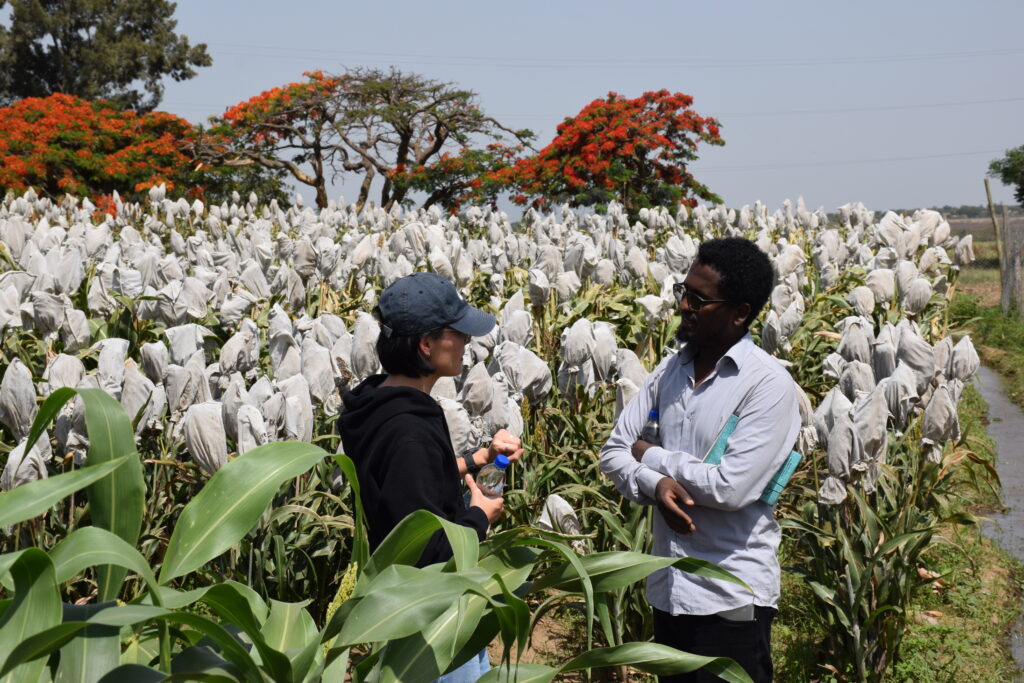
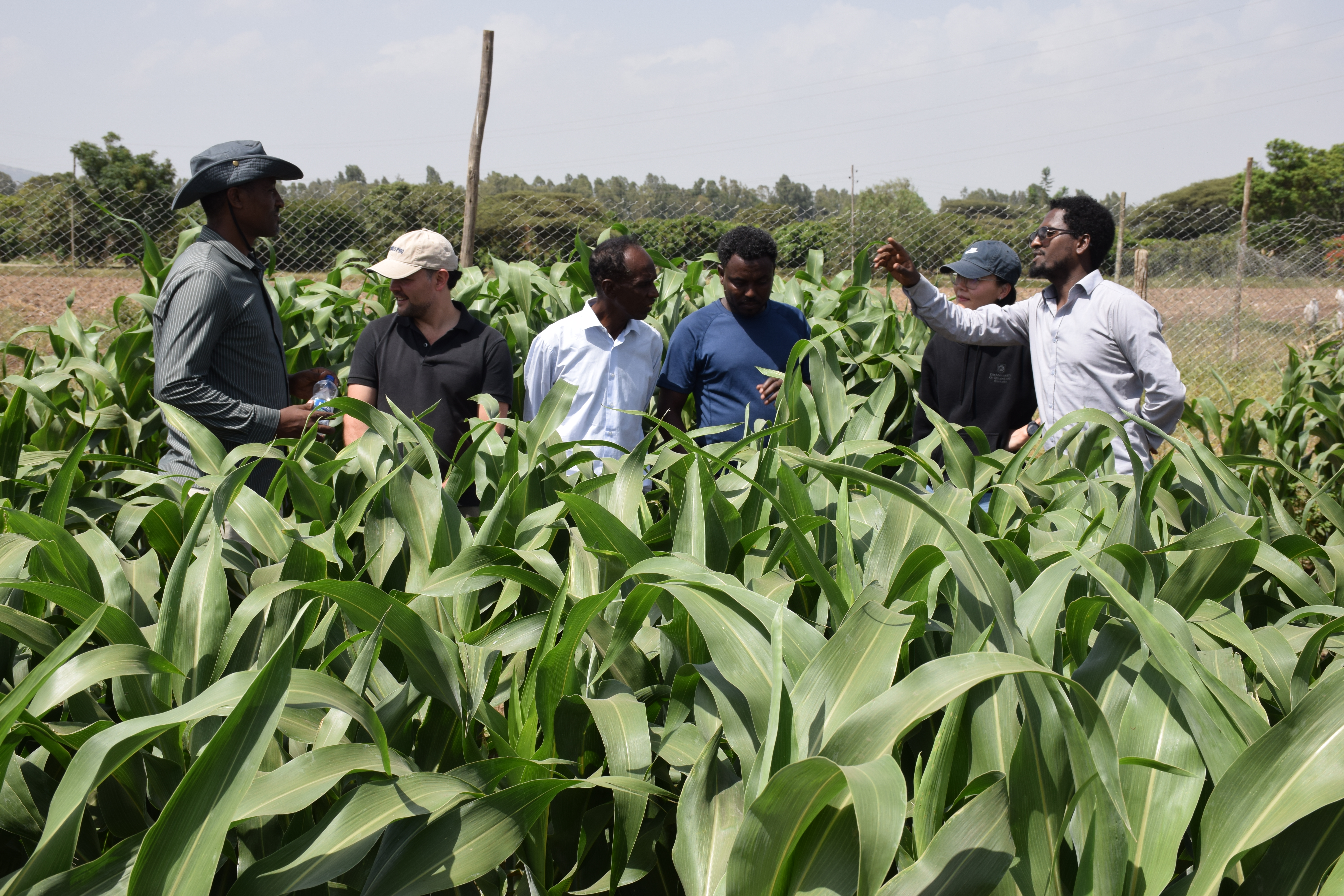
The ORACLE project brings together researchers, breeders and agricultural experts from Germany, Australia and Ethiopia to develop practical approaches for improving drought resilience in sorghum-based cropping systems. During the project activities in Ethiopia, the consortium visited sorghum research fields, exchanged knowledge with local researchers and breeders, and discussed current challenges related to sorghum production, drought adaptation and the selection of suitable plant and root traits.
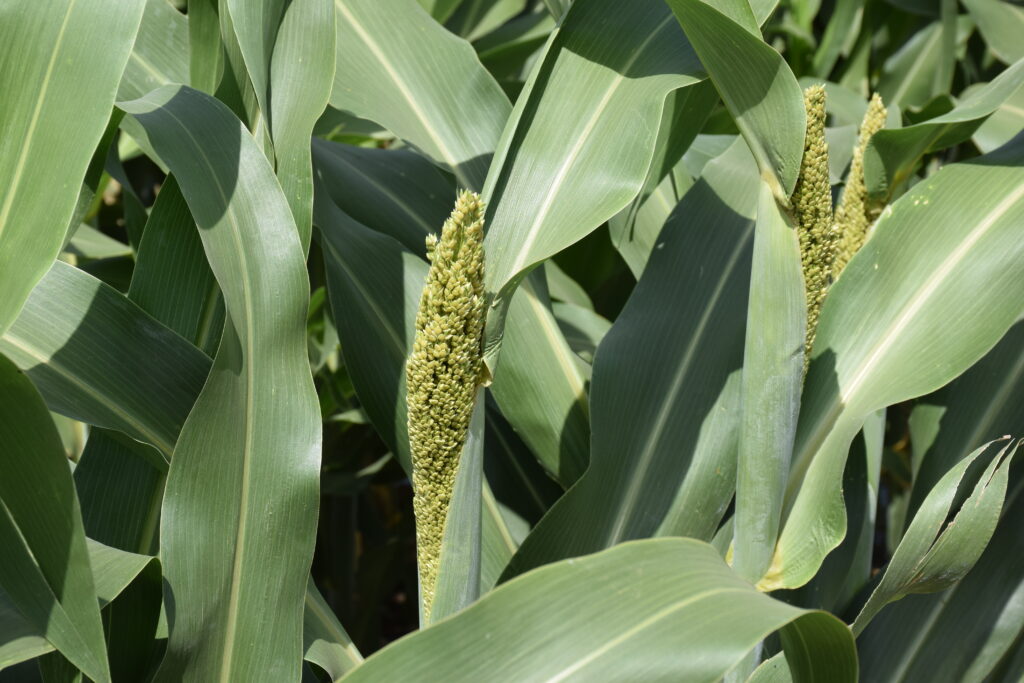
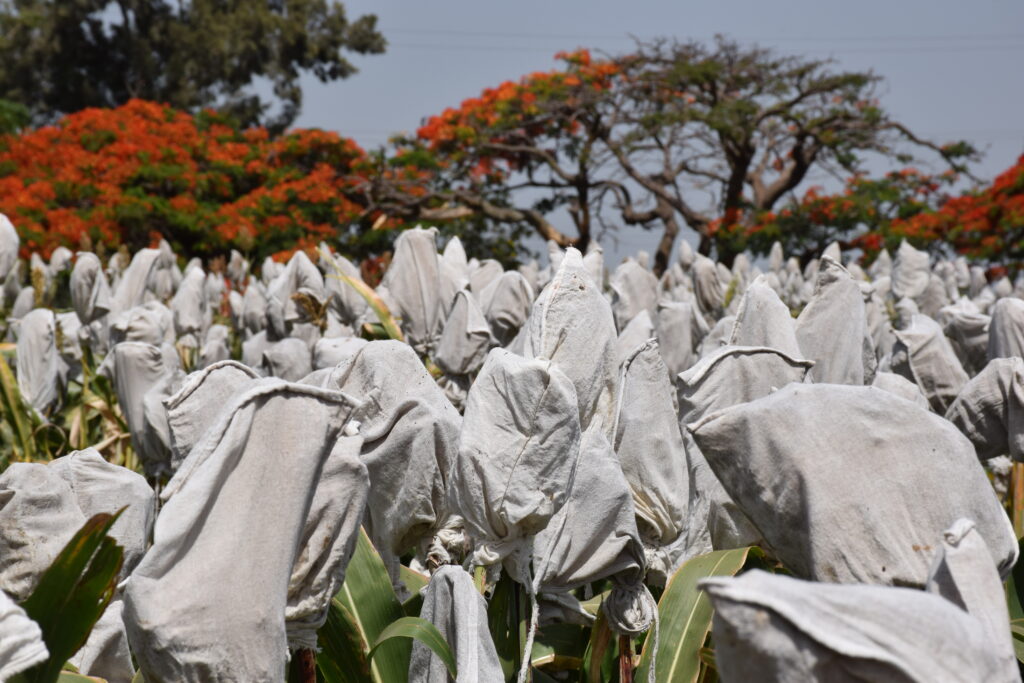
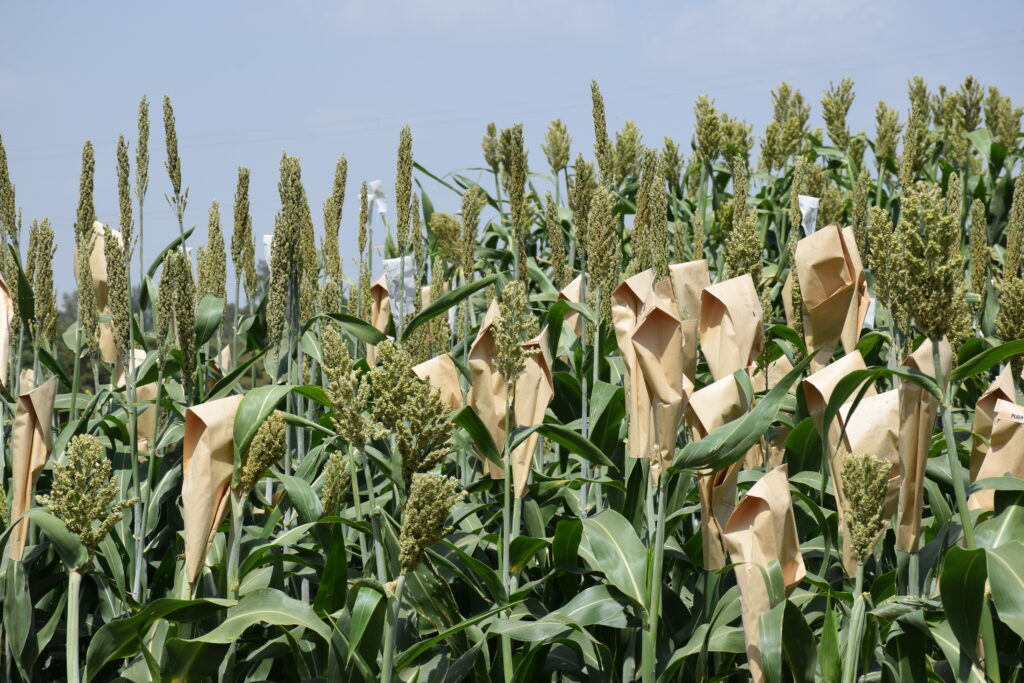
These exchanges provide an important connection between ORACLE’s scientific research and the practical needs of sorghum breeding and production in Ethiopia. Field visits, breeder discussions and joint planning help ensure that future experiments and phenotyping activities address locally relevant conditions while strengthening collaboration and knowledge exchange between the international project partners.
1
Initial ORACLE Partner Meeting in Ethiopia
The first in-person ORACLE exchange meeting took place in Ethiopia in October 2025. Project partners from Germany, Australia and Ethiopia, including Prof. Natalie Laibach, Prof. Daniel Rodriguez and Dr. Bedru Beshir, met to exchange information, introduce the planned activities, discuss the project objectives and coordinate the implementation of the different work packages. The meeting supported early engagement with local agricultural expertise and helped align the project with Ethiopia’s sorghum production context and ongoing research priorities.
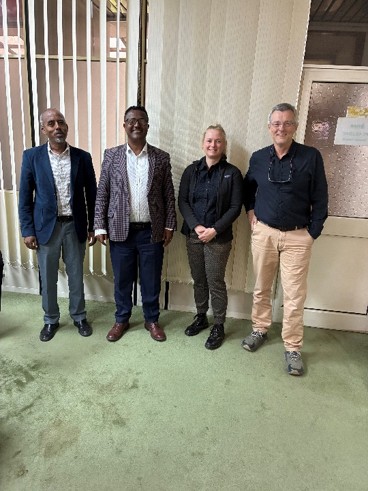
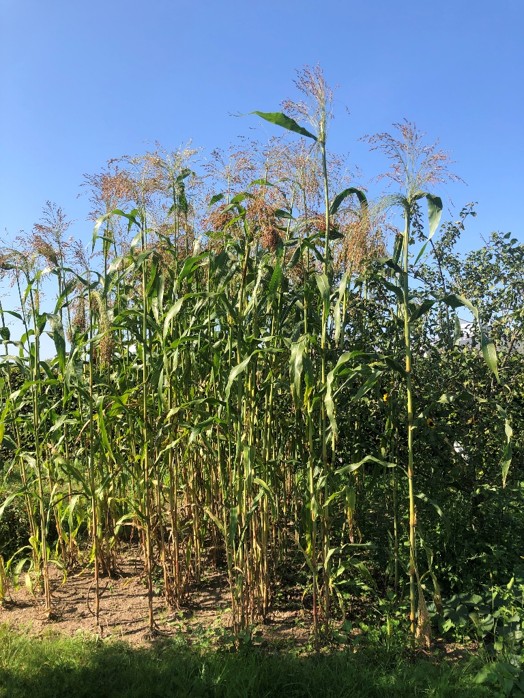
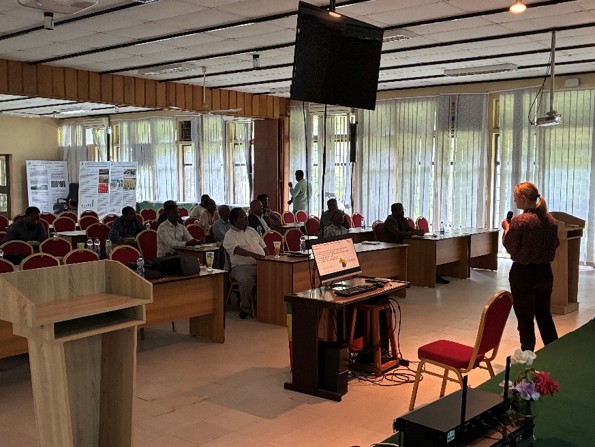
During the meeting, Prof. Natalie Laibach delivered a scientific presentation introducing the background of the ORACLE project, its main objectives and the scientific basis of the planned research activities. Her presentation provided the foundation for a broader scientific discussion on the project’s research questions, experimental approaches, partner contributions and the integration of the planned activities under Ethiopian field conditions.
2
DualEM Training Workshop
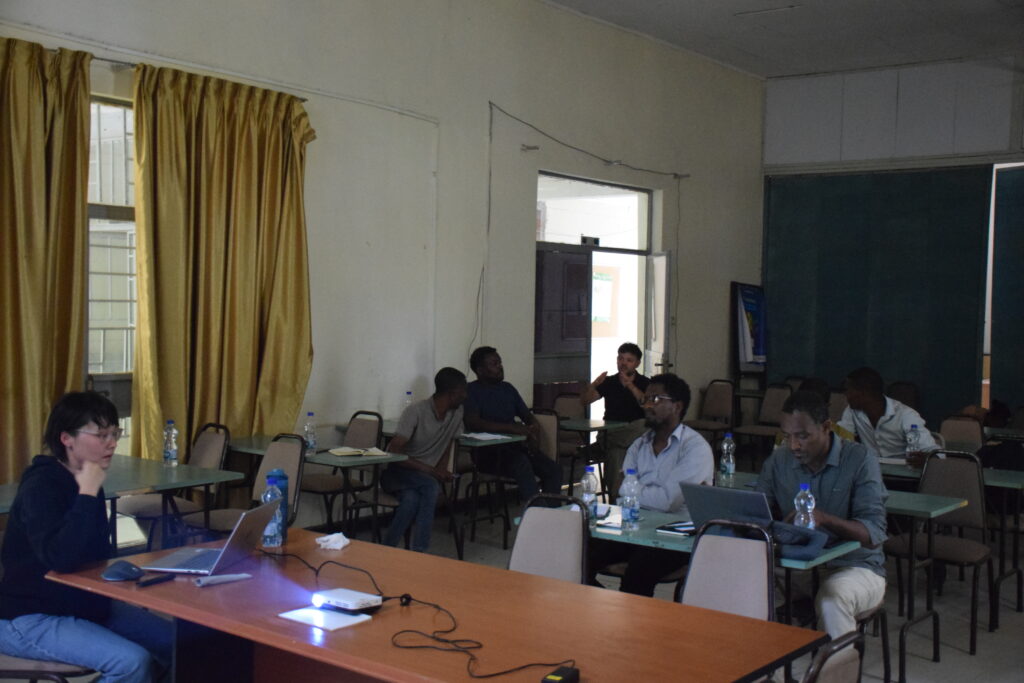
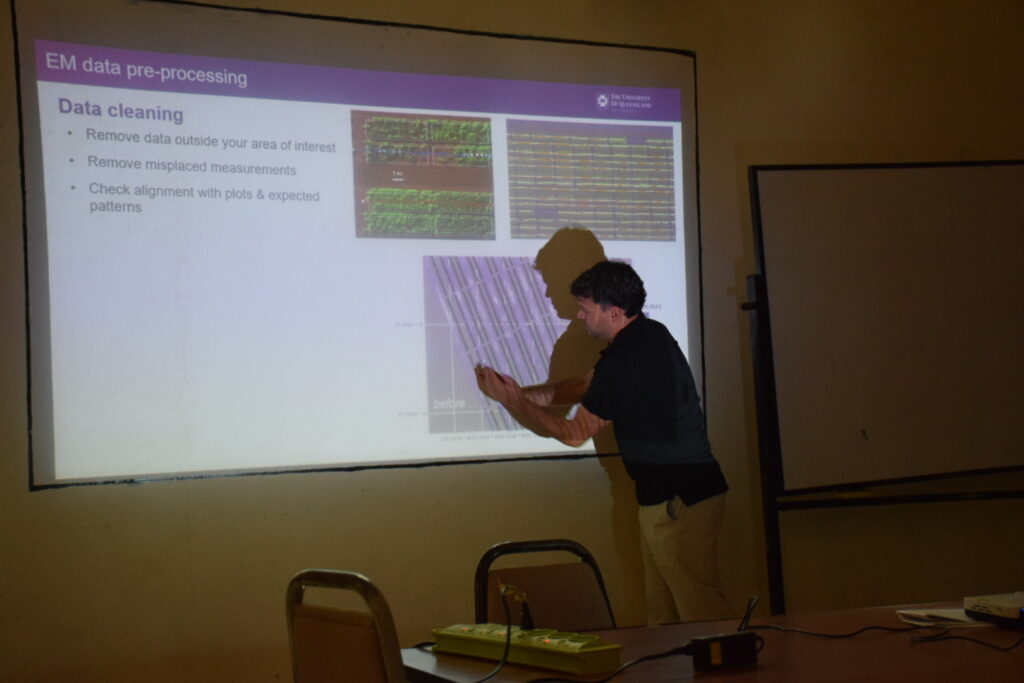
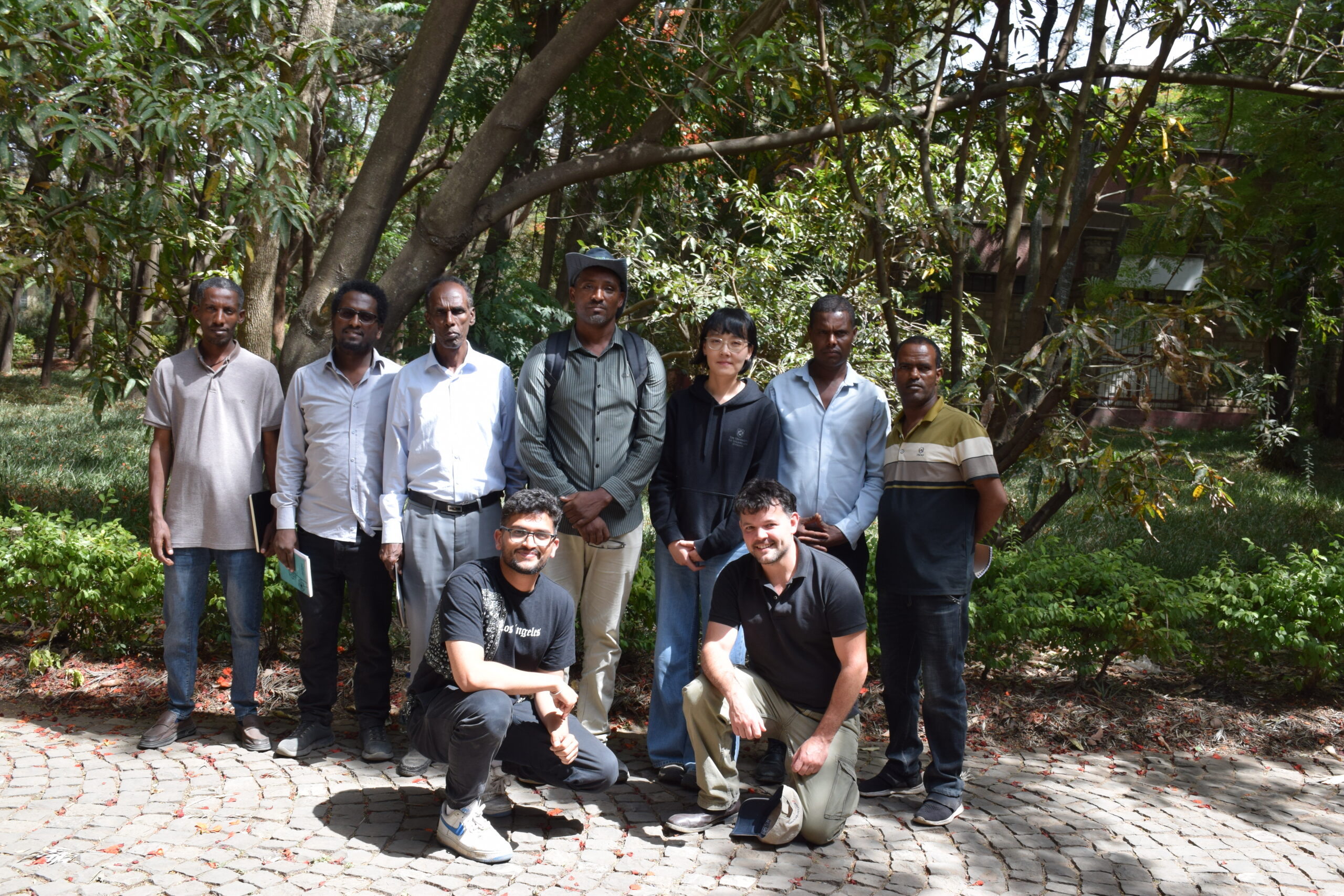
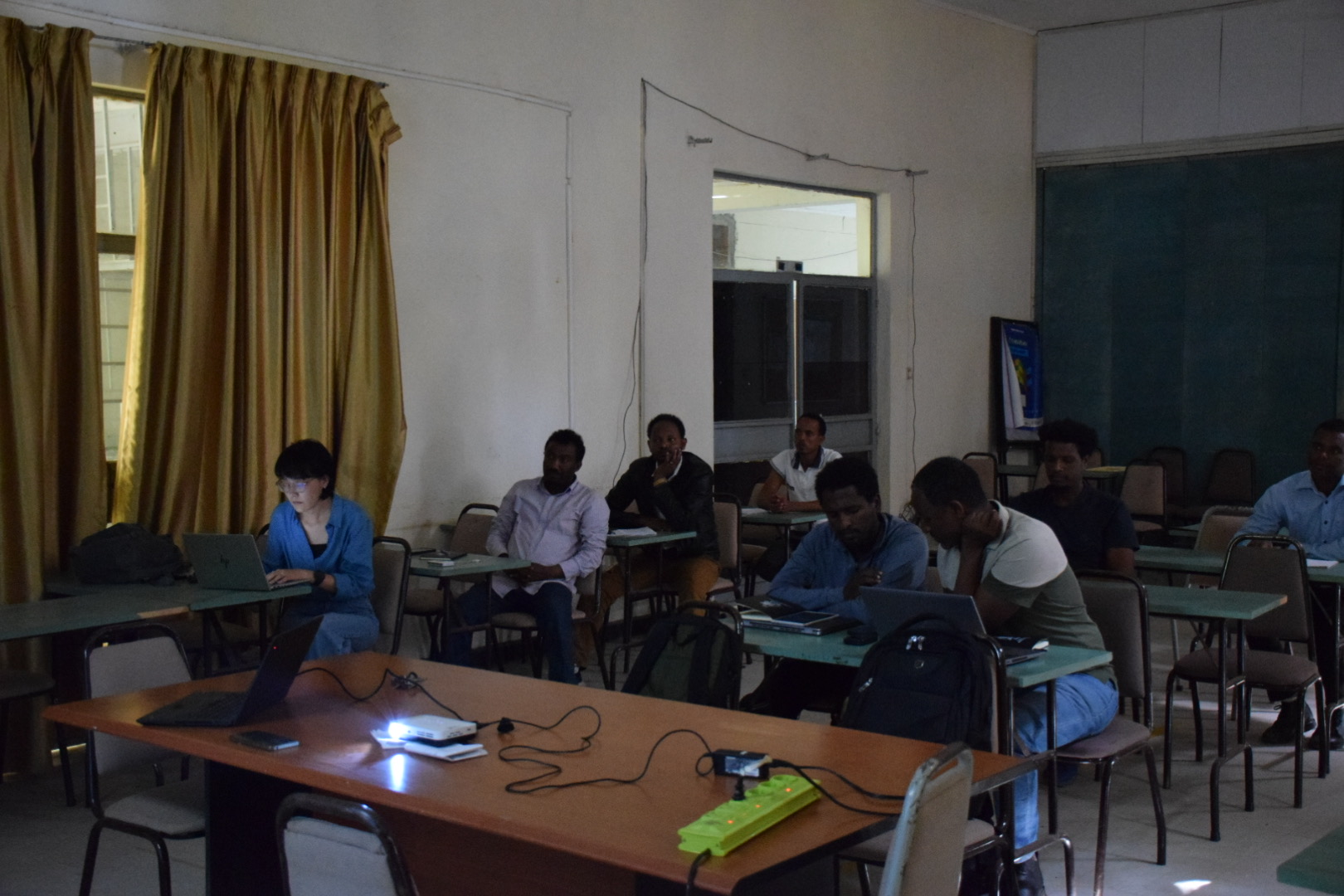
In May 2026, a 10-day theoretical training workshop was conducted in Ethiopia to strengthen capacity for DualEM-based field phenotyping. The training was led by ORACLE research team members Dongxue Zhao and Raul Gimenez, who delivered scientific lectures on DualEM principles, sensor operation, field-measurement design, experimental planning, and interpretation of the generated data. Researchers from HSRW and EIAR also discussed how DualEM measurements could be integrated with agronomic observations, root traits, and other ORACLE datasets. The workshop supported the joint development of future measurement strategies and coordination of the planned field-phenotyping activities in Ethiopia.
3
Breeder and Stakeholder Meeting
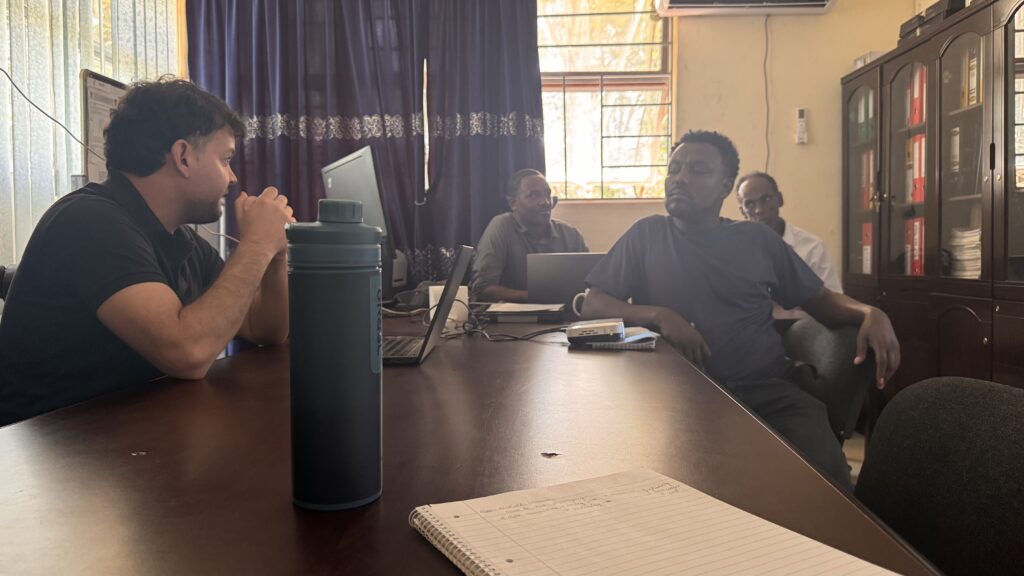
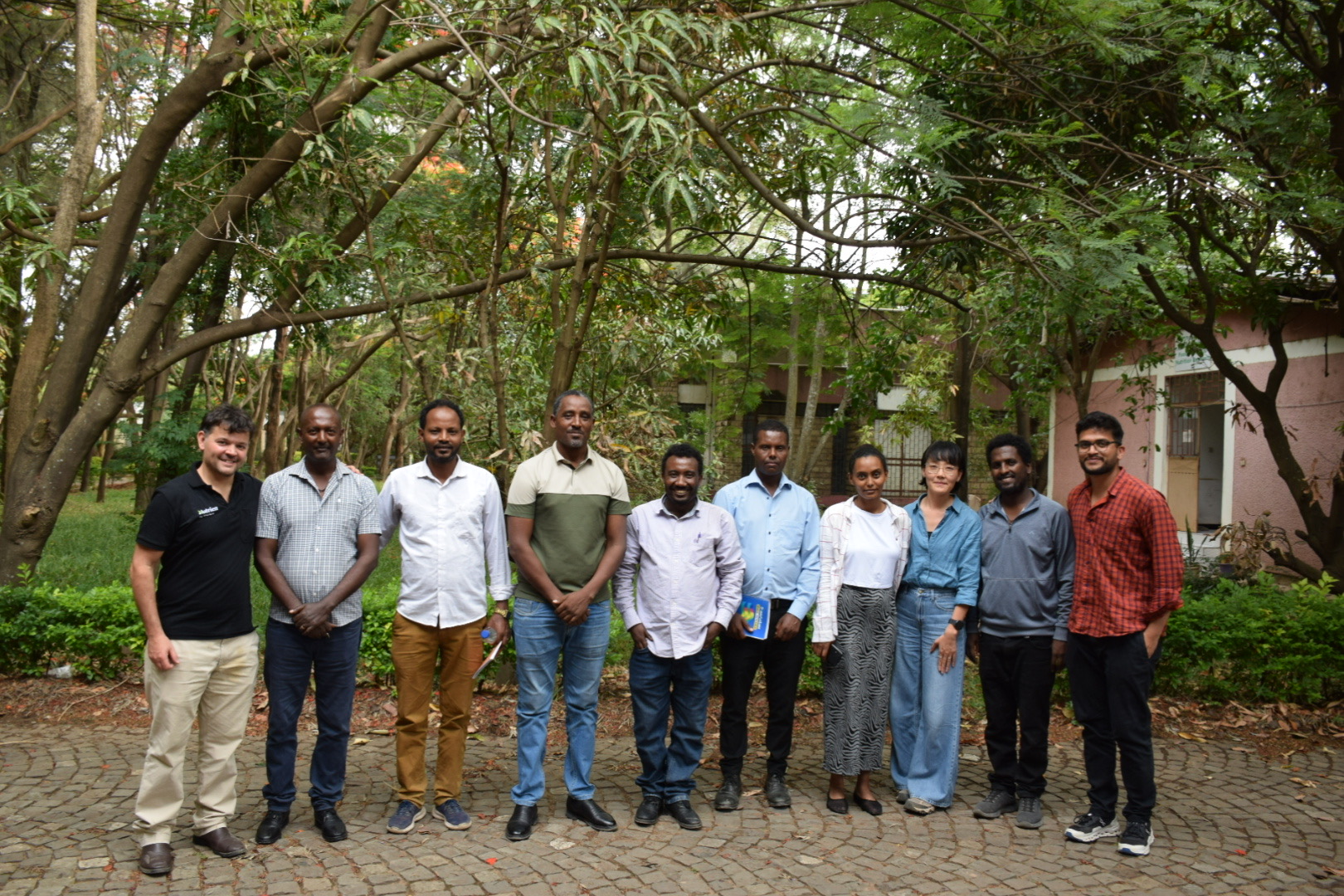
Sorghum breeders and other local stakeholders participated in discussions on current production challenges, drought resilience and root traits relevant to sorghum improvement. These exchanges helped connect ORACLE’s research activities with practical breeding and agronomic priorities in Ethiopia.
Teressa Temesgen led the coordination with EIAR breeders and scientific staff. The constructive discussions held during and after the presentations provided valuable local perspectives and helped refine the project’s research questions and planned activities. Further discussions with Kiran Suresh focused on coordinating the sorghum and cowpea plant materials required for the scientific studies. Suresh also presented the complete experimental workflow, supporting the joint planning of material selection, experimental setup, measurements, sampling and subsequent analyses.
4
Rhizotron Set-up for Root Studies
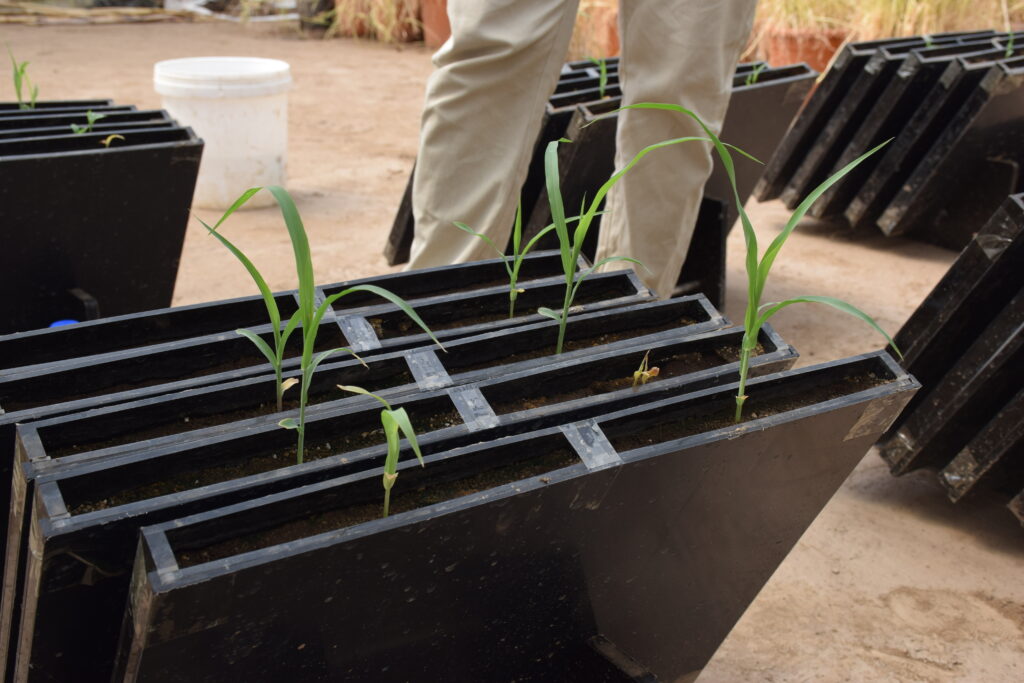
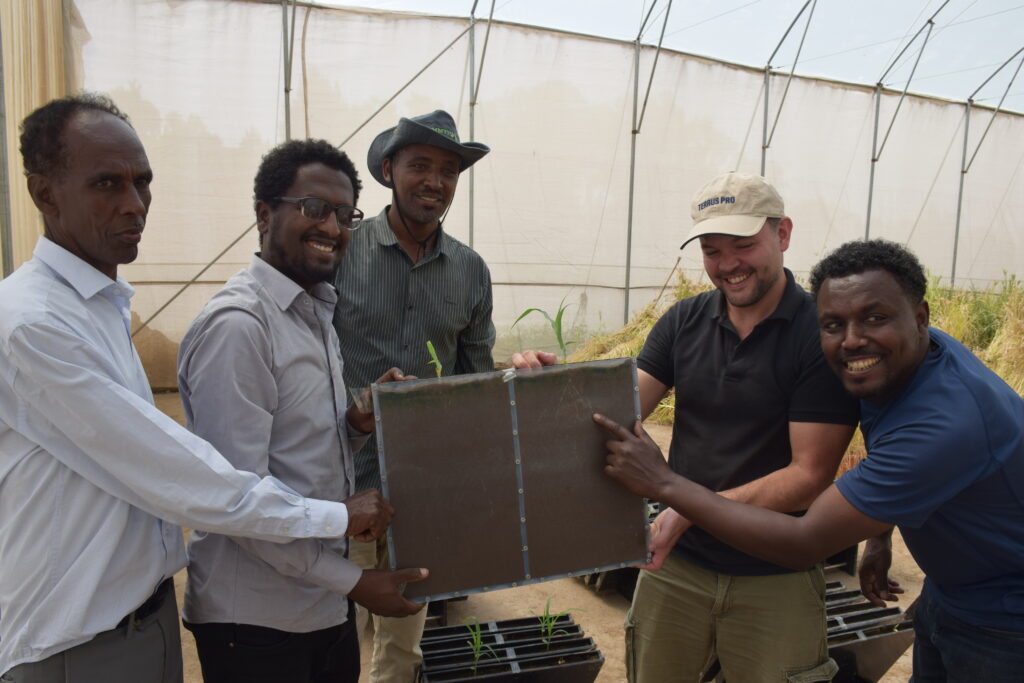
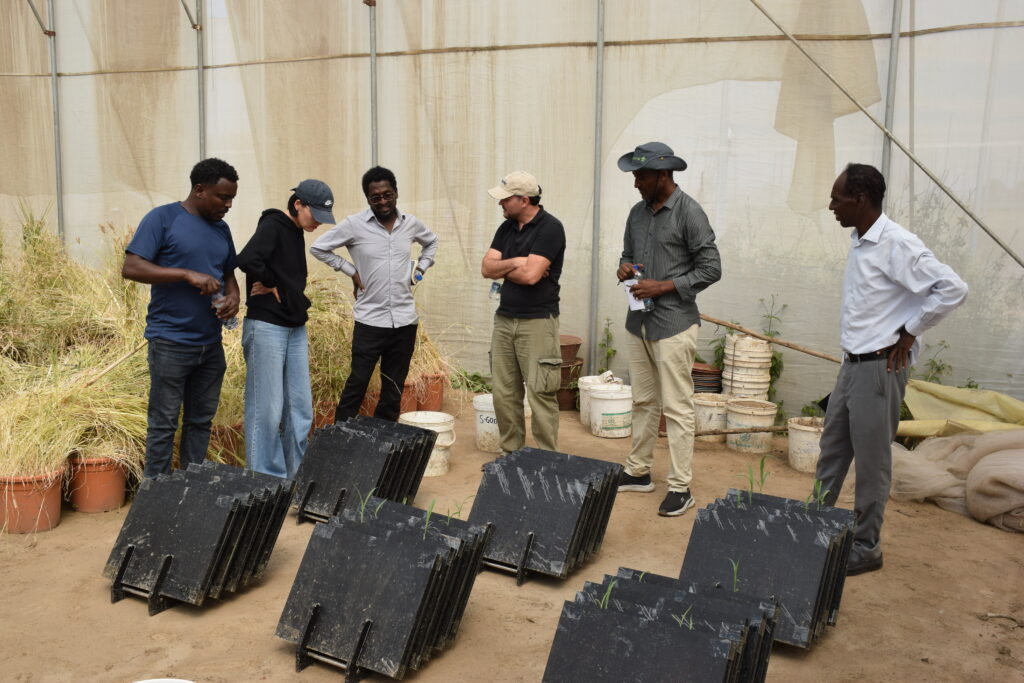
Rhizoboxes provided by The University of Queensland were installed at EIAR to support controlled root studies led by Abel Moges. The experiments will characterize root growth, architecture, and morphology across at least 60 sorghum lines, helping to identify root traits associated with drought resilience and complementing field-based root phenotyping activities.
5
Field Visit and Preparation for DualEM Measurements
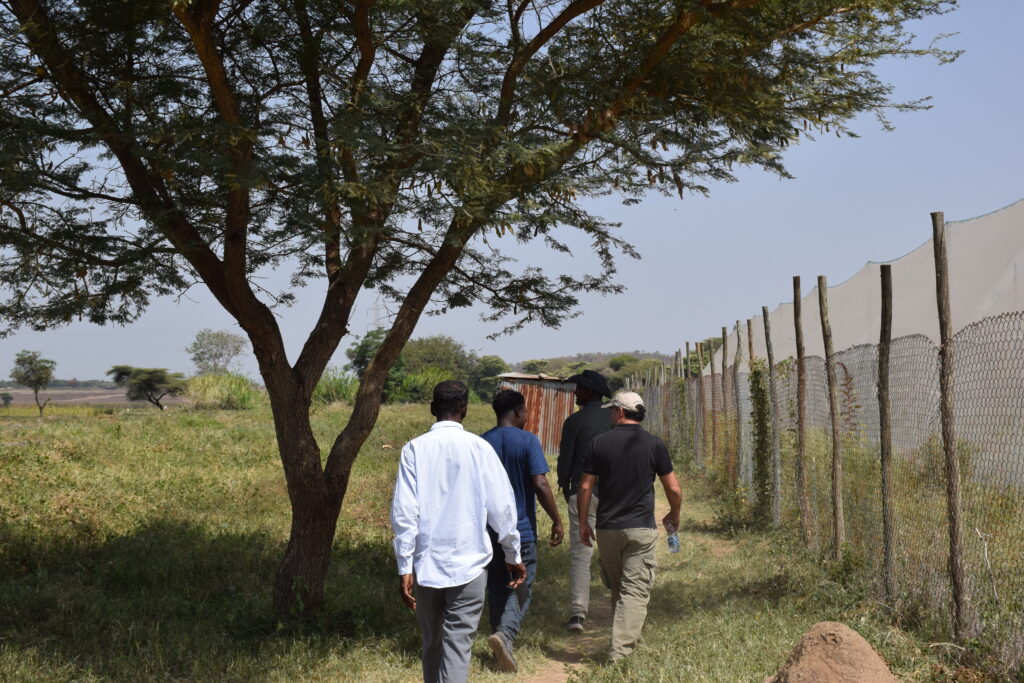
At the Melkassa Agricultural Research Center, Ethiopian Institute of Agricultural Research, Adama, Ethiopia, the ORACLE team visited experimental and trial plots to assess the practicality of the planned field experiments. Experts from The University of Queensland provided recommendations on suitable measurement areas, experimental implementation, root phenotyping and crop water-use assessment. The trial plots were also evaluated in preparation for planned demonstration measurements using the DualEM sensor.